More and more original types of grain are disappearing today because they don’t fit into the industrial system – and with them, life in the fields. With our Ur-Gut initiative, we are pursuing a clear mission: to preserve what nourishes us.
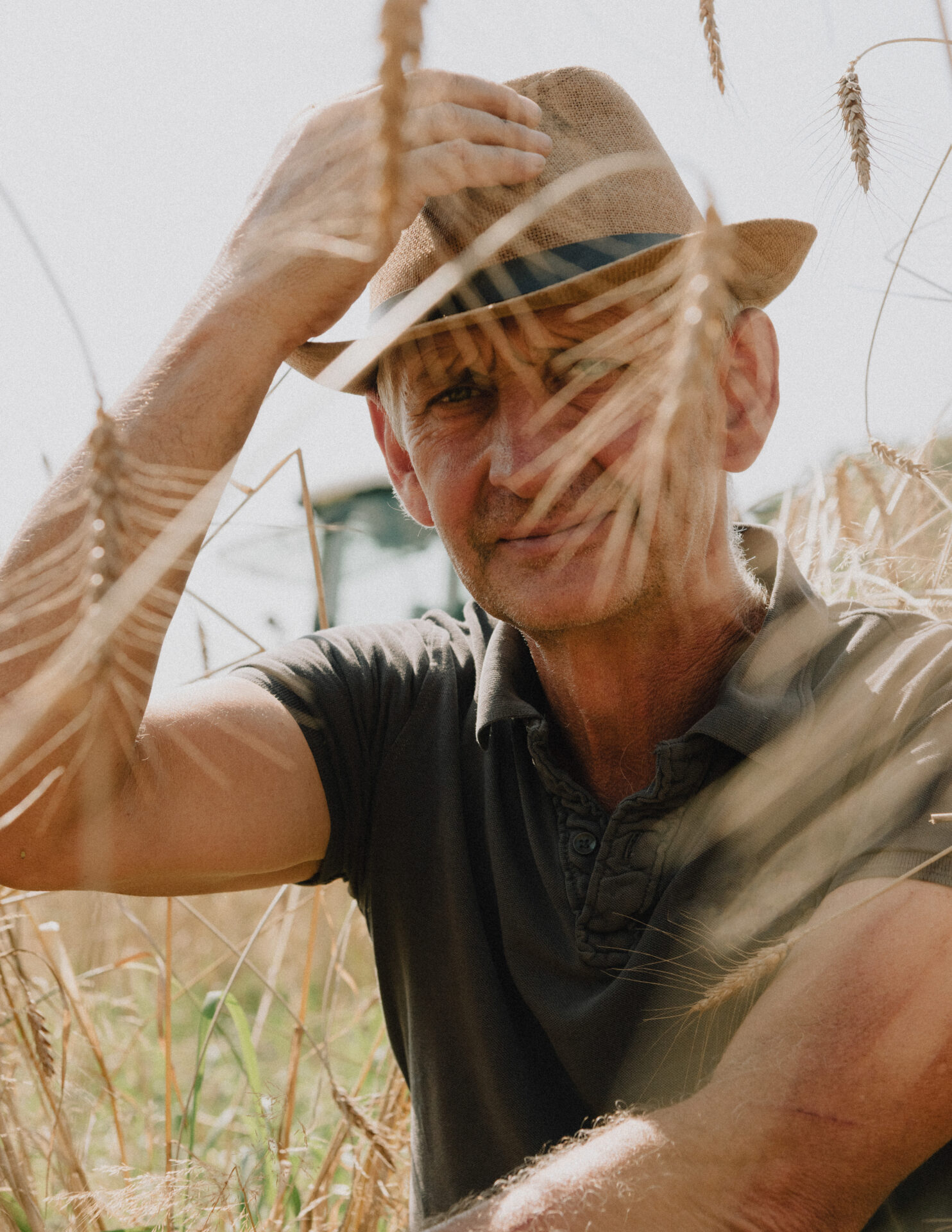
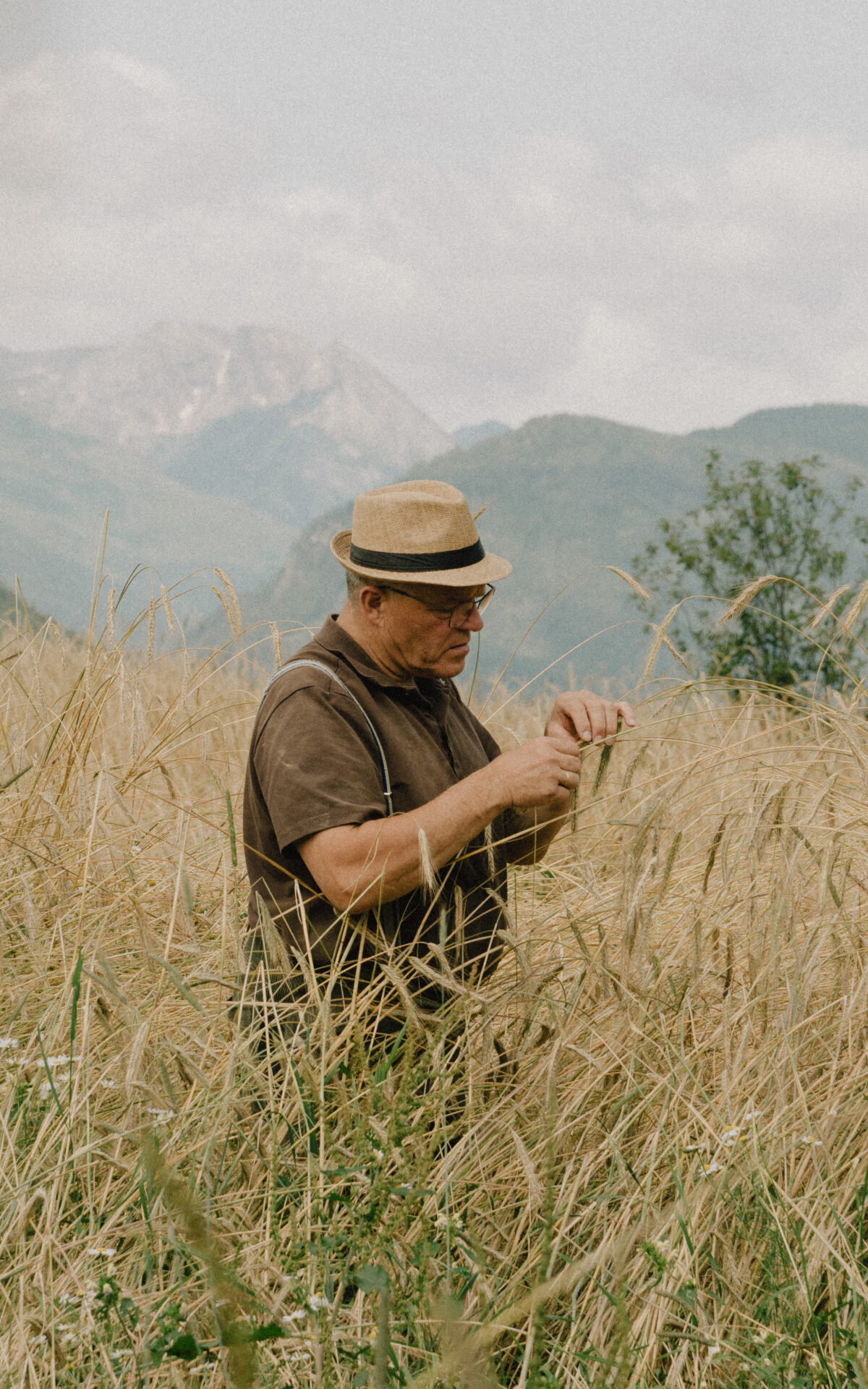
Together with our small-scale farming partner families, we are reviving rare types of grain in their Austrian home regions. In doing so, we are carefully restoring old ecosystems, building up living soils and creating habitats for many species.

Soils for the
Future
With Ur-Gut, we support the transition to a living agriculture – an agriculture that promotes diversity and demonstrably brings more biodiversity to the fields. In this way, we ensure that something can still grow tomorrow. And the day after tomorrow. And the day after that. Together with our small-scale farming partners, we are preparing fertile soils for the future – and securing values for future generations.
Value Creation in Farmers’ Hands
At Ur-Gut, we are already working with 24 small-scale farming families. As partners at eye level, we develop perspectives for sustainable agriculture. With guaranteed purchase quantities and fair pricing, we ensure that value creation remains in farmers’ hands, regional cycles are strengthened – and structures are created that simply benefit people and nature.


Compatible
Diversity
When our fields are full of life, we also flourish. The high biodiversity in our growing areas ensures exceptional genetic diversity in our grains. A diversity that can unfold naturally in our sourdoughs. The result: a living product microbiome – a unique combination of millions of microorganisms that simply benefits you and your body.
Shaping the Future Together
It was clear to us from the start: a project like Ur-Gut can only succeed together. That’s why we work closely with experts from research, agriculture and nature conservation, who accompany us with their vision. We are united by a common conviction: an agriculture in harmony with nature is not only possible, but necessary.

Rare Grains
Attergauer Ur-Dinkel
Lukas Hampl – Niederösterreich
Schwarzer Emmer
Christian Rossnagl – Niederösterreich
Lungauer Tauernroggen
Peter, Lisi und Matthias Löcker – Salzburg
Oberkärntner Winterroggen
Mario Ebner – Kärnten
Früher Tiroler Binkel
Patrick Scheiring – Tirol
Ebners Rotkorn
Lukas Hampl – Niederösterreich
Bamby Buchweizen
Christian Rossnagl – Niederösterreich
Laufener Landweizen
Manfred Eisl – Salzburg
Kärntner Früher Sommerweizen
Hans Georg Kohlmaier – Kärnten
Chrysanth Hanser Roggen
Silvia und Bernhard Astner – Tirol
Einkorn
Christian Rossnagl – Niederösterreich
Nackthafer
Christian Rossnagl – Niederösterreich
Haisia Gerste
Wolfgang Hartl – Oberösterreich
Kolbendinkel
Regina Gapp – Tirol
Pölstaler Winterroggen
Walter Steinberger – Steiermark
Sipbachzeller Weizen
Karl Neubauer – Oberösterreich
Waldstauden Roggen
Martin Allram – Niederösterreich
Lukas Hampl – Niederösterreich
Attergauer Ur-Dinkel
Lukas Hampl – Niederösterreich
Schwarzer Emmer
Christian Rossnagl – Niederösterreich
Lungauer Tauernroggen
Peter, Lisi und Matthias Löcker – Salzburg
Oberkärntner Winterroggen
Mario Ebner – Kärnten
Früher Tiroler Binkel
Patrick Scheiring – Tirol
Ebners Rotkorn
Lukas Hampl – Niederösterreich
Bamby Buchweizen
Christian Rossnagl – Niederösterreich
Laufener Landweizen
Manfred Eisl – Salzburg
Kärntner Früher Sommerweizen
Hans Georg Kohlmaier – Kärnten
Chrysanth Hanser Roggen
Silvia und Bernhard Astner – Tirol
Einkorn
Christian Rossnagl – Niederösterreich
Nackthafer
Christian Rossnagl – Niederösterreich
Haisia Gerste
Wolfgang Hartl – Oberösterreich
Kolbendinkel
Regina Gapp – Tirol
Pölstaler Winterroggen
Walter Steinberger – Steiermark
Sipbachzeller Weizen
Karl Neubauer – Oberösterreich
Waldstauden Roggen
Martin Allram – Niederösterreich
Lukas Hampl – Niederösterreich